
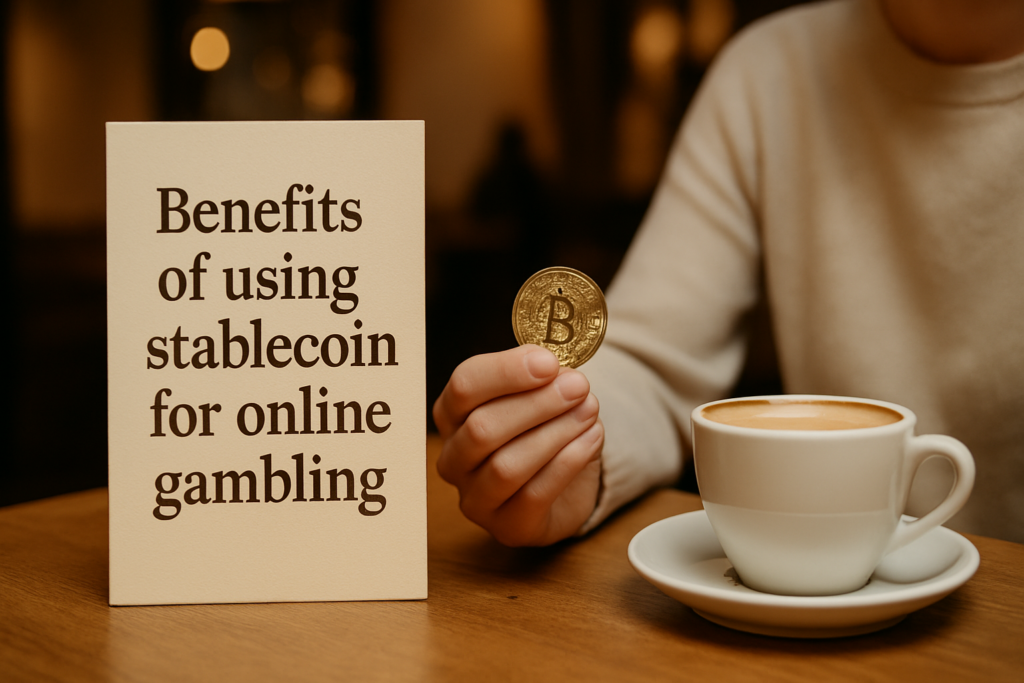
Why Stablecoins Are Gaining Ground in Gambling
Crypto gambling isn’t new, but stablecoins like Tether (USDT) are rewriting how players bet online. Unlike Bitcoin or Ethereum, where the price can swing wildly in minutes, stablecoins are pegged to fiat currencies usually the U.S. dollar. That means more predictable bankrolls and fewer headaches for users who just want to play without worrying about crypto crashes mid session.
What makes stablecoins like Tether a game changer? They’re fast, borderless, and usually don’t need banks or middlemen. Funds move quicker. Players can stay anonymous. And they can play from almost anywhere. That’s led to a wider embrace of USDT and similar coins by online casinos and sportsbooks worldwide.
For those used to BTC or ETH bets, Tether adds a key twist: It removes volatility from the equation. You stake $100, and it stays $100. No guessing what the market will do in the next hour. That simplicity is pushing more operators and players toward stablecoin betting.
Want to get a clearer picture of how Tether works in gambling? Check out Tether betting explained.
Price Stability is one of Tether’s biggest draws. The value is pegged to the U.S. dollar, which means you’re not waking up to your balance being worth 40% less overnight something that’s happened often with coins like Bitcoin or Ethereum. For gamblers, that makes bankroll management actually manageable.
Faster Payouts are another perk. Deposits and withdrawals with stablecoins are usually processed almost instantly, depending on the platform. No more waiting days for bank transfers to clear. You win, you cash out, you move on.
Lower Fees add to the appeal. Traditional payment processors tack on service charges, sometimes hidden. Tether transactions tend to be cheaper across the board, especially when you factor in currency conversion costs on international platforms.
Global Access is a big deal too. In countries where gambling is restricted or where banks block gaming transactions, Tether acts like a digital passport. It moves around borders and gatekeepers, giving users more control in tight financial environments.
Then there’s Improved Privacy. With Tether, there’s no traditional paper trail tied to your name or bank account. It’s harder to trace gambling activity, which for better or worse is something many users actively look for.
There’s a reason Tether is becoming the go to stablecoin in this space. For a fuller picture of how it all works, check out Tether betting explained.
Serious Risks to Consider

Stablecoins offer speed and discretion, but they come with risks that gamblers can’t ignore.
First up: regulation. There’s no unified global standard for stablecoin gambling. What’s fine in one country might be illegal next door. That means users could unknowingly break local laws or lose funds if a site gets shut down overnight. Always know where your feet are planted legally.
Then there’s counterparty risk. Stablecoins like Tether say they’re backed by real world assets, but transparency varies. If the issuer goes under or if the reserves backing the coin aren’t as solid as claimed, your funds could evaporate fast. You’re trusting an entity to manage billions and that makes some users uneasy.
Security is another landmine. Phishing scams, fake exchanges, and wallet hacks are all in play. And since many offshore platforms deal in stablecoins, you’re sometimes rolling the dice just by making a deposit.
Don’t expect chargebacks if things go south. Once you send stablecoin to a casino or wallet, it’s gone. No credit card company to call, no dispute button. Final means final.
Last, don’t be lulled into thinking ‘stable’ means immune. Stablecoins can still wobble especially when there’s bad press about the issuing company or questions around reserves. Panic can set in fast, and even a small crack in confidence could tank the value temporarily.
Bottom line: stablecoins may look like a safer crypto option, but they’re not without their own traps. Spend with caution.
Smart Usage Tips
If you’re going to use stablecoins for gambling, proceed with a grounded approach. First, stick with licensed platforms ones that are not only known but also openly regulated. A clean background and real oversight go a long way when you’re moving digital assets.
Before you deposit anything, check the withdrawal terms twice. Then check again. Some platforms limit how and when you can get your money out, and mistakes in wallet addresses are often final. Always verify where your funds are headed.
Don’t fall into the trap of treating your stablecoin balance like a portfolio. This isn’t an investment play. Stablecoins are tools here fast, borderless payment rails. Use them as such and keep things simple.
Lastly, don’t ignore your local laws or the taxman. Gambling with crypto can carry hidden legal and financial implications depending on where you live. Know what’s allowed, and stay within bounds. It’s easier to play smart than to fix a mess later.
Bottom Line: Weighing Convenience Against Caution
Stablecoins like Tether (USDT) are rapidly becoming a go to payment method for online gamblers and for good reason. They offer the kind of speed, accessibility, and privacy traditional banking or even other cryptocurrencies struggle to provide. But this doesn’t mean they come without risk.
Why Gamblers Appreciate Stablecoins
Fast and Borderless: Transactions clear quickly, without the delays often seen in fiat systems or volatile digital currencies.
Enhanced Privacy: Stablecoin payments generally leave less of a trail on mainstream financial records.
Global Utility: For players in regions with strict financial controls, stablecoins provide access to platforms that might otherwise be out of reach.
But Know What You’re Betting On
Using stablecoins wisely means understanding how they function and who controls them. Tether, for example, claims to be backed 1:1 by real world reserves, but it’s not without controversy or regulatory scrutiny.
Understand the issuer: If trust in the coin’s stability falters, value can drop fast.
Avoid unregulated platforms: Look for licensed online casinos that clearly outline their stablecoin policies.
Prioritize security: Storing and transferring Tether still requires strong wallet security to avoid hacks, losses, or theft.
Final Advice
Stablecoins bring clear advantages for speed and convenience, especially for international users and privacy conscious players. But responsible use starts with informed decisions. If you’re new to Tether or want to learn how it compares to BTC or ETH in gambling transactions, read this primer: Tether betting explained.

















































































































































































































































































































































































































































































































































































































































































































































































































































































































































































































































































































































































































































































































































































































































































































































































































































































































































































































































































































































































 Jasons McRaelley – Founder & Chief Editor